
Ten questions to ask before implementing supply chain visibility software
Reading Time: 2 Minutes
Creating better supply chain visibility is a top strategic priority for many supply chain businesses in 2022. While there are a lot of software solutions available to achieve that, the biggest challenge often lies in the setup, implementation and ongoing management of the visibility platform itself.
If it’s set up well (we discuss howhere), it can provide huge benefits, over and above just being able to track and trace goods. It can centralise data across your supply chain so all those within the chain can collaborate more efficiently and it also has the power to help you identify and optimise areas where things can be improved.
But before getting too deep into implementation, here are ten key questions you should consider to ensure you’re set up for success from the outset.
It’s all about the data
If integration is the beating heart of a visibility system, data is the blood that pumps around it to help capture everything happening in the supply chain. Understanding what data you need and how it will be used is critical to implementing a visibility system.
Key questions to consider:
- Where and how are you going to get the data needed to create better visibility of your supply chain?
- How will your data support the complete supply chain view?
- How will the system identify and define when information is missing and/or accurate?
- Do your Supplier Contracts clearly stipulate the data required to achieve complete, timely supply chain visibility and to manage logistics providers' performance levels?
Integrating your systems together
At the heart of a supply chain visibility system is its ability to pull in, and process, messages from all players’ systems within a chain, regardless of the technology they use, to provide a clear picture of where your, or your client’s goods are at any time.
It requires careful navigation of a combination of systems, connectivity methods (SFTP/FTP, AS2, API, VAN, etc), EDI message formats, unexpected relevance of data fields and, most importantly, their implied or explicit meaning.
To achieve this, consider:
- How will your visibility solution integrate with your own systems and those of your supply chain partners?
- Who will integrate new partners?
Managing the visibility solution as it grows and evolves
The one constant in business is that things will change and evolve over time. That means your visibility system needs to be able to quickly and effectively adapt to ensure you’re still getting the same level of visibility, regardless of who’s involved and how things play out.
Key questions to consider:
- How will you manage/fill the gaps when events/data from your partners are missing or late?
- How will you be alerted when disruptions occur so you can quickly take action?
- Who will monitor and manage the system to ensure it is delivering the optimal level of visibility and champion ongoing improvements?
- When things don't go to plan, how will the system raise exceptions and warn you before things actually happen that have an impact?
Origin can create clear visibility of your supply chain
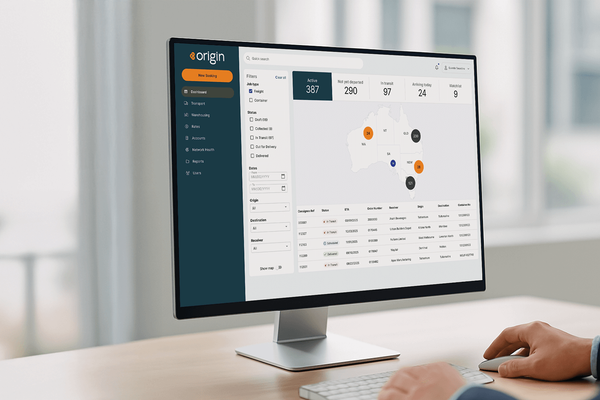
Origin’s visibility platform helps organisations connect their supply chain ecosystem together to create meaningful context of the end-to-end supply chain. Our team of system experts help map out how the system will work and be managed in order to best serve you.
We’re experienced in working in the complex supply chain space and helping organisations take the next step in creating better visibility across their chain as well as diversifying their services to meet their changing customer needs.
Talk to ustoday about how we can help you create a supply chain engine that serves your business now, and into the future.
Need to solve a similar challenge?
Let's talk about how the Origin core engine can be adapted and tailored to suit your specific physical logistics requirements.
Book a consultation